

An Expert Report on Ireland’s Hemp Regulation Framework
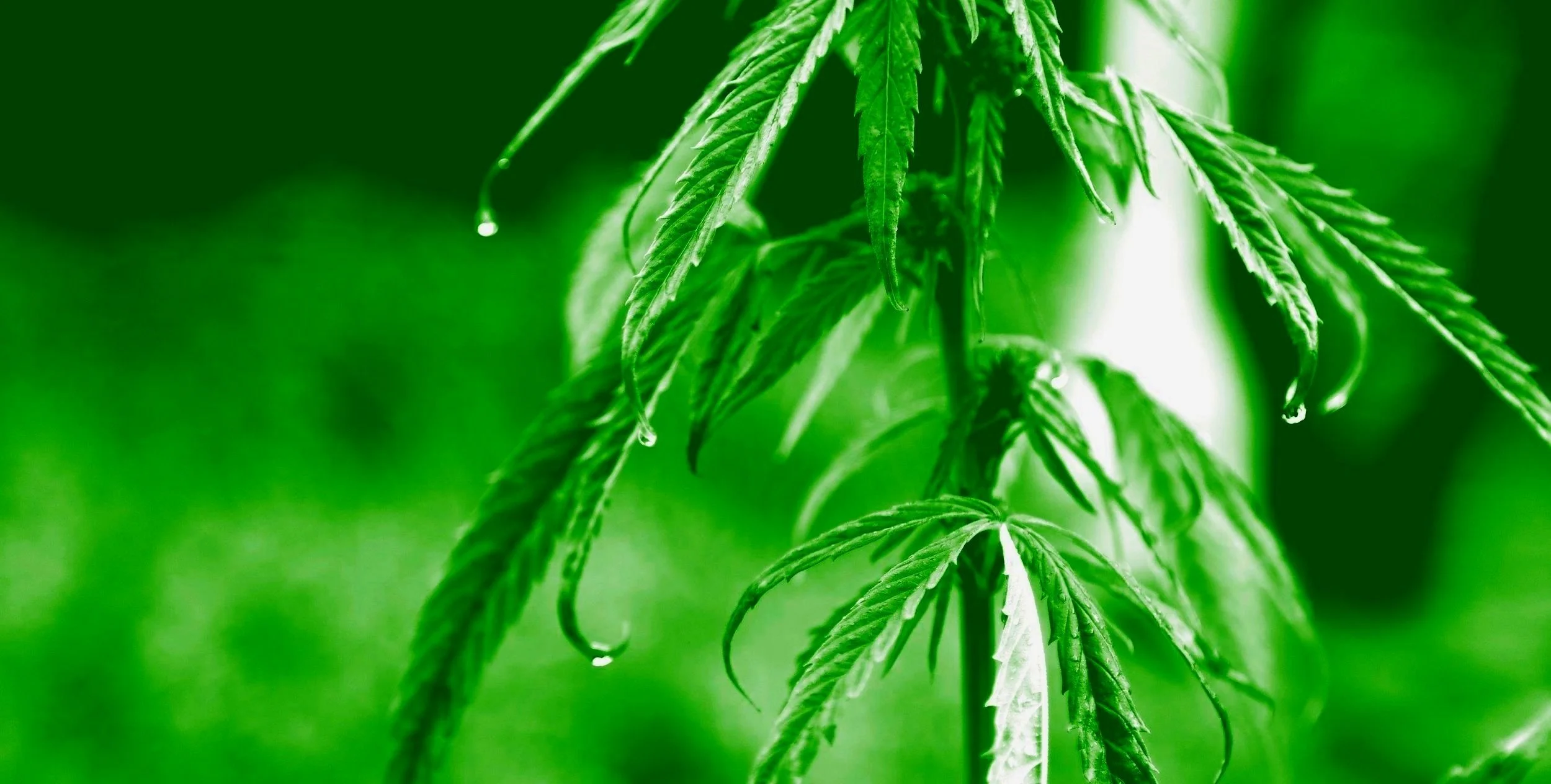
Hemp a strategic energy crop.
Expert Report on Ireland’s Hemp Regulation Framework
Dr. Shane McDonagh’s expert report, dated November 16, 2025, presents a formal request for a judicial review of Ireland’s industrial hemp regulations, arguing that the current restrictive framework impedes significant environmental and economic progress. The report details hemp’s potential to advance Ireland’s bio-economy, climate targets, and rural development, concluding with specific, actionable recommendations for comprehensive policy reform.
Introduction and Author’s Standing
This report, titled “Regulatory Framework for Industrial Hemp Cultivation and Utilisation in Ireland,” is authored by Dr. Shane McDonagh, an expert with a background in bio-economy research. Formerly with Ireland’s MaREI Centre at University College Cork and currently working in international energy and environmental policy, Dr. McDonagh’s early work centred on energy crops, farm profitability, and sustainability. Motivated by a commitment to the environmental, social, and economic health of the Irish rural economy, he formally requests a comprehensive judicial review of the nation’s hemp policies. He asserts that the current regulations significantly hinder these sustainability goals and commits to continued collaboration with Hemp Federation Ireland to advocate for necessary reforms.
The Multifaceted Benefits of Hemp Cultivation
The report highlights hemp as a multi-functional rotation crop with exceptional value for both the environment and the rural economy. Environmentally, it grows rapidly, suppresses weeds, and requires minimal fertiliser with no pesticide inputs, making it an ideal break crop. Its deep root system improves soil structure and nutrient cycling, enhancing the yield of subsequent crops. Notably, a single hectare of hemp can sequester over 10 tons of CO2 equivalent annually, directly contributing to emissions reductions by displacing resource-intensive products with sustainable materials, textiles, and food. Economically, the Irish agricultural body, Teagasc, has identified hemp as a valuable crop for farm diversification and income stability. Ireland’s climate is particularly well-suited for high-quality food and fibre production, offering a rare opportunity where environmental, social, and economic benefits converge.
Critique of Current Irish Regulatory Policy
Dr. McDonagh argues that Ireland’s current regulatory framework is irrational, counterproductive, and shaped by flawed assumptions stemming from misconceptions and a lack of stakeholder engagement. The restrictive policies force farmers into low-profit, “fibre-only” cultivation models by prohibiting the harvesting and use of the plant’s leaves and flowers. This prevents the development of high-value products like protein-rich foods and supplements and obstructs the creation of rural processing enterprises and local value chains that are flourishing in other EU member states. A significant contradiction is highlighted: Ireland imports cannabinoids for pharmaceutical use while simultaneously preventing domestic farmers from producing these compounds sustainably. This policy suppresses a viable rural industry and hinders farmers from contributing to national climate and carbon reduction targets with a crop that offers broad agricultural system benefits.
Recommended Reforms for a Sustainable Hemp Industry
The report urges regulators to recognise that reforming hemp policy is not a niche issue but a necessary step toward a sustainable, circular, and climate-positive rural economy. To correct past policy mistakes and unlock hemp’s potential, Dr. McDonagh provides a clear set of actionable recommendations. He emphasises that all interests align in favour of these changes.
Irish Regulators
Shift regulatory oversight to the Department of Agriculture, in line with established practices.
Engage meaningfully with farmers, representative bodies, and researchers to inform policy.
Support investment in processing infrastructure for hemp fibre, seed, and co-products.
Permit full plant utilisation to maximise the crop’s economic and sustainability benefits.
Adopt a multi-year licensing system to enable long-term planning and secure investment.
Take corrective action to support a framework that allows Ireland to capitalise on the opportunities hemp presents.
Conclusion and Declaration
In closing, Dr. McDonagh reiterates his professional opinion that all interests align in favour of regulatory reform. He formally declares that he has no financial interest in the outcome of a review and that his report is based solely on his professional expertise. The conclusions were drawn from a review of several key sources, including;
A Systems Thinking Approach Investigating Estimated Environmental and Economic Benefits and Limitations of Industrial Hemp Cultivation in Ireland from 2017-2021,
Hemp Federation of Ireland public documents,
European Union regulations,
Teagasc public documents.
He affirms that the report is a statement and declaration of truth, representing an accurate assessment of the hemp crop’s potential to the best of his professional ability.
